
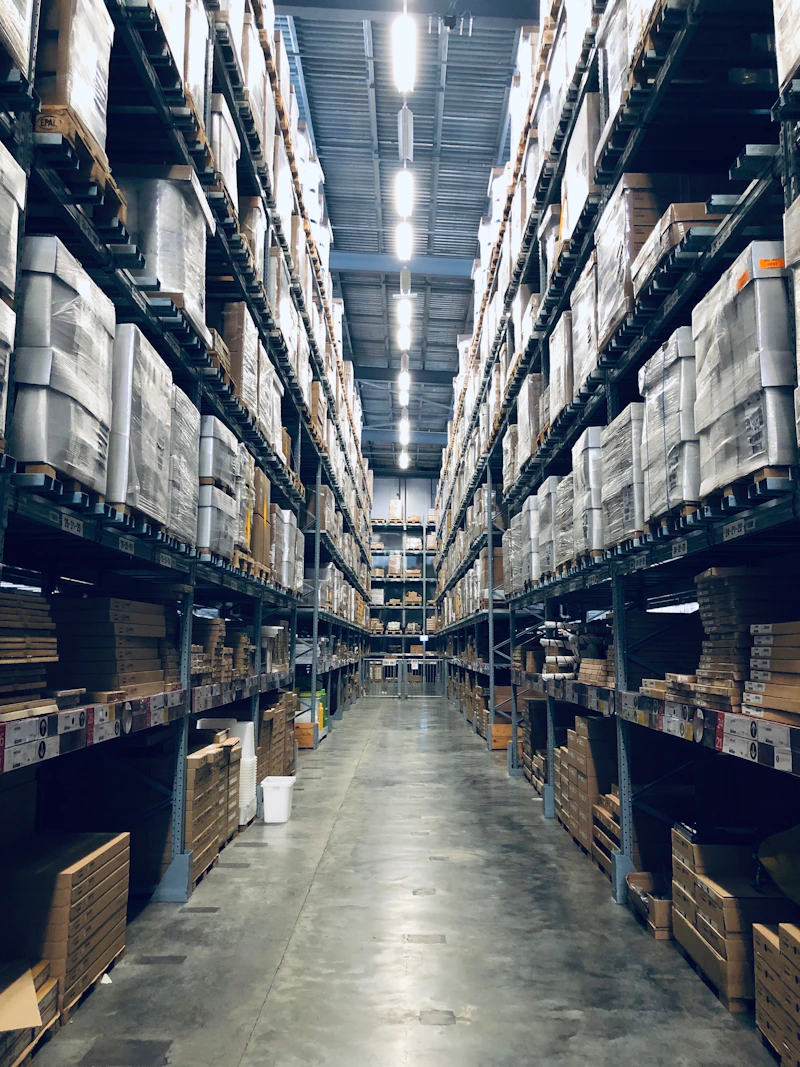
The first order is a joy; the first shipment, often a panic. Which box? Which carrier? Who pays the postage? Ecommerce shipping is the part of your store the customer holds in their hands: everything before it is virtual, the parcel is real. Well organized, it turns a buyer into a loyal customer; improvised, it turns a successful sale into a negative review. This guide is for you if you're launching your store or if your first shipments left you in a cold sweat. We lay the foundations: choosing your carriers, deciding who pays the shipping costs, packing without going broke, handling returns cleanly, and keeping your customer informed from the click to the mailbox.
Table of contents
- Lay the groundwork before the first order
- Choosing your carrier without mistakes
- Shipping costs, who pays what
- Packing without blowing your budget
- Handling returns without stress
- Keeping your customer informed after the order
Lay the groundwork before the first order
Logistics is prepared calmly, never in the urgency of a parcel that needs to go out. Before opening your store, answer four questions:
- What do your products weigh and measure, packed? Weigh a typical parcel, box included: that's the figure that governs all the rates.
- Where do you deliver? Your city, your country, Europe, further? Each circle adds rates, timelines, and rules.
- How quickly can you ship? The preparation time — between the order and dropping off the parcel — depends on you alone, and the customer feels it as much as the transport.
- What do you promise on the store? Display only what you can keep: better to announce three days and deliver in two than the opposite.
This preparation is part of the launch just like choosing your products, as our guide to selling online from A to Z reminds you.
Choosing your carrier without mistakes
To start out, you don't need a negotiated contract: the public offers of carriers and shipping platforms are enough. Compare them on four criteria: the price for YOUR parcel format (rate tables vary enormously by weight and dimensions), the tracking offered, the coverage of the zones where you sell, and the simplicity of drop-off — office, pickup point, or collection.
Pickup point, home delivery, or enhanced tracking
The pickup point is often the beginner's smart choice: cheaper than home delivery, reliable, and appreciated by customers who are never home. Home delivery remains expected for bulky products or customers in a hurry. Enhanced tracking with signature is reserved for expensive products: it costs more, but it protects both parties in case of a dispute.
Shipping costs, who pays what
Shipping costs are as much a margin topic as a conversion topic: costs discovered at the last step make people flee, costs absorbed blindly lose you money. Three strategies exist:
| Strategy | Advantage | Watch out for |
|---|---|---|
| Free shipping above a threshold | Pushes the cart up, a strong argument | The postage comes out of your margin: set the threshold above your average cart |
| Single, simple flat rate | Readable for the customer, predictable for you | A loser on heavy parcels if your flat rate is too low |
| Actual cost per order | Fair and transparent | Less persuasive; reserve it for heavy or bulky products |
Whatever the strategy, one absolute rule: announce the costs early — on the product page or as soon as the cart, never as a surprise at the payment step. It's one of the easiest abandonment causes to fix, detailed in our guide to reducing cart abandonment.
Packing without blowing your budget
Packaging has three missions, in this order: protect the product, be simple to prepare, carry your brand. The first criterion is non-negotiable — a broken product costs the refund, the reshipment, and the trust. Choose a box sized to the product: empty space is paid for twice, in filler and sometimes in volumetric pricing.
On the budget side, standardize: two or three box formats cover most stores, and buying in bulk lowers the unit cost. On the brand side, the essentials cost little — tissue paper, a handwritten thank-you note, careful packaging. The "gift opening" effect builds loyalty more than a discount, and it costs almost nothing.
"The sale closes at payment; loyalty is won at the opening of the parcel."
— Principle of the delivery experience
Handling returns without stress
Returns are part of the job: accepting them gracefully costs less than suffering them in conflict. In Europe, for distance selling, your customer generally has a 14-day right of withdrawal after receipt — without having to justify themselves, apart from exceptions provided by law (personalized or perishable products, in particular). Research the precise rules of your market and write your return policy before your first sale.
A good policy fits in three points: the timeframe (the legal minimum, or more if you make it a selling point), the procedure (who contacts whom, where to return, in what condition), and the cost coverage (who pays for the return — the law governs certain cases, your policy specifies the rest). Make it visible before purchase: a clear policy removes doubts and helps sell.
Keeping your customer informed after the order
Between payment and receipt, your customer lives in waiting — and waiting without news becomes worry, then messages, then disputes. Three messages are enough: order confirmed (immediate), parcel shipped with tracking number (at drop-off), and possibly a note after receipt to make sure everything is fine and invite them to leave a review.
This follow-up isn't politeness, it's prevention: every message sent is a question the customer won't ask you. And the post-receipt message is your best moment to collect honest reviews — the social proof that will sell the next orders. To progress along the whole chain, from order to loyalty, the free courses of the Naaora Academy cover running a store step by step.
Conclusion
Organizing your ecommerce shipping well comes down to four decisions made calmly — carriers, shipping costs, packaging, returns — and a thread of information stretched all the way to the mailbox. Start simple: two delivery options, standardized boxes, a written return policy, three follow-up messages. The rest gets refined with real orders. Next step: weigh your typical packed parcel and compare public rates for your format — it's the most profitable half hour of your week.
Frequently asked questions
Ready to start your online store?
Create your free store in minutes with the help of artificial intelligence. No monthly fees, you only pay when you sell.
Related Articles
How to Make Your First Online Sale
Where to find your first customers and how to convince them: the concrete method to make your first online sale, then land the next one.

Selling online: the complete 2026 guide
Selling online from A to Z: what to sell, where, how to get paid and ship, and how to land your first customers. The complete guide to start.

How to sell online as a beginner
From choosing the product to the first order: the 7 concrete steps to sell online starting from scratch, with no technical skills.